Affordable Food: Eating Well Without Breaking the Bank


Affordable food is more than just a budget concern—it’s a way of life for millions of people around the world. With rising living costs, inflation, and unpredictable economic conditions, many households are looking for smarter ways to eat well without overspending. The good news is that affordable food doesn’t have to mean boring meals, poor nutrition, or constant sacrifice. With the right mindset, planning, and choices, it’s possible to enjoy satisfying, nutritious, and even delicious meals on a budget.
Affordable food is about balance. It’s about understanding value, minimizing waste, and making informed decisions that stretch every dollar further. Whether you’re a student, a family on a tight budget, or simply someone who wants to be more financially mindful, affordable food can empower you to take control of both your health and your expenses.
What Makes Food Affordable?
Affordable food isn’t just about buying the cheapest items available. True affordability combines price, nutrition, accessibility, and sustainability. A meal that costs little but lacks nutrients may save money short-term but can lead to health costs later. On the other hand, thoughtfully chosen foods can nourish the body while staying budget-friendly.
Staple ingredients such as rice, pasta, beans, lentils, potatoes, oats, eggs, and seasonal vegetables are prime examples of affordable foods that deliver strong nutritional value. These ingredients are versatile, widely available, and can form the base of countless meals across cultures. Buying whole foods rather than heavily processed items often results in better value per serving.
Another major factor is seasonality. Fruits and vegetables that are in season tend to be cheaper, fresher, and more flavorful. Local markets and discount grocery stores often provide better prices than premium supermarkets. Affordable food is also influenced by portion sizes—cooking at home and controlling servings dramatically reduces cost compared to dining out or ordering delivery.
Smart Strategies for Eating on a Budget

One of the most effective ways to embrace affordable food is meal planning. Planning meals for the week helps avoid impulse purchases, reduces food waste, and ensures that every ingredient is used efficiently. Creating a shopping list based on planned meals keeps spending focused and prevents unnecessary extras.
Cooking at home is another cornerstone of affordable food. Home-cooked meals typically cost a fraction of restaurant meals and allow full control over ingredients. Simple cooking techniques—such as batch cooking, slow cooking, or one-pot meals—save both time and money. Preparing meals in larger quantities and freezing leftovers ensures there’s always something ready to eat, reducing reliance on expensive convenience foods.
Buying in bulk can also significantly lower costs, especially for dry goods like grains, beans, flour, and spices. While the upfront cost may be higher, the long-term savings are substantial. Affordable food choices often come from understanding unit prices and comparing cost per serving rather than total price.
Reducing food waste is equally important. Using leftovers creatively, storing food properly, and understanding expiration dates can save a surprising amount of money over time. Affordable food isn’t just about what you buy—it’s also about how well you use what you already have.
Affordable Food and Nutrition Can Go Together
A common misconception is that affordable food is unhealthy. In reality, many nutritious foods are among the cheapest available. Beans and lentils are rich in protein and fiber. Eggs provide high-quality protein at a low cost. Frozen vegetables are often just as nutritious as fresh ones and can be stored longer without spoilage.
Whole grains like oats, brown rice, and whole wheat pasta offer long-lasting energy and essential nutrients while remaining budget-friendly. Affordable food choices can support a balanced diet when meals are built around these staples and supplemented with seasonal produce and affordable protein sources.
Simple homemade meals often outperform processed foods nutritionally. A pot of vegetable soup, a bean-based chili, or a stir-fry made with seasonal vegetables can be both economical and nourishing. Affordable food encourages creativity and resourcefulness in the kitchen, often leading to healthier habits overall.
The Social and Cultural Value of Affordable Food
Affordable food plays a vital role in bringing people together. Shared meals prepared at home foster connection, conversation, and community. In many cultures, some of the most beloved traditional dishes originated as affordable food—simple, hearty meals created from limited ingredients and passed down through generations.
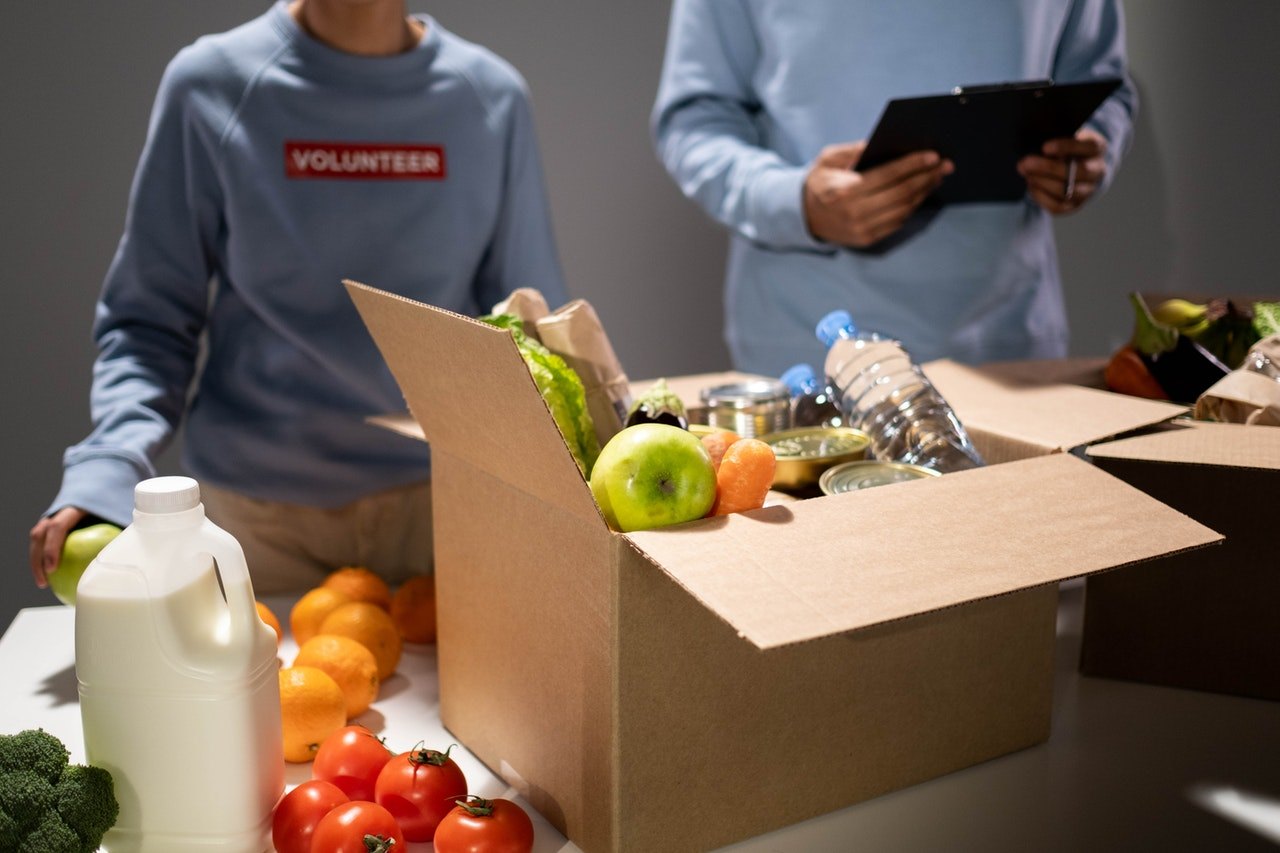
Community initiatives such as food cooperatives, community kitchens, and food-sharing programs highlight the importance of affordable food beyond individual households. These efforts promote access, reduce waste, and strengthen social bonds. Affordable food is not just an economic issue—it’s a social one that affects well-being and equality.
For families, affordable food can reduce stress and provide stability. Knowing that nutritious meals are accessible creates a sense of security and allows resources to be allocated to other essential needs such as education, healthcare, and housing.
Conclusion
Affordable food is about making smart, intentional choices that benefit both your wallet and your well-being. It proves that eating well doesn’t require luxury ingredients or expensive habits—just awareness, planning, and creativity. By focusing on whole foods, cooking at home, reducing waste, and shopping strategically, affordable food becomes not only achievable but enjoyable.
In a world where food prices continue to fluctuate, understanding how to eat affordably is a valuable life skill. It empowers individuals and families, supports healthier lifestyles, and strengthens communities. Affordable food isn’t about settling for less—it’s about discovering more value, more connection, and more satisfaction in everyday meals.
Affordable food is more than just a budget concern—it’s a way of life for millions of people around the world. With rising living costs, inflation, and unpredictable economic conditions, many households are looking for smarter ways to eat well without overspending. The good news is that affordable food doesn’t have…